 Save
Save There's something almost magical about the way a kitchen smells when lemon zest hits warm butter—sharp, bright, and suddenly full of possibility. I discovered this loaf cake quite by accident on a grey March afternoon when I had three lemons sitting on my counter and an inexplicable craving for something that tasted like sunshine. What started as a desperate attempt to use them up before they went soft turned into the kind of cake that makes people ask for the recipe before they've even finished their slice.
I'll never forget taking this to my neighbor's garden party—the one where I was supposed to bring something 'not too fancy.' When she cut into it and that glossy lemon glaze broke under the knife, the whole table went quiet for a second. Then everyone wanted seconds, and suddenly I was the person who 'makes that incredible lemon cake,' which honestly felt like winning an award I didn't know I was competing for.
Ingredients
- Unsalted butter, 200g, softened: Room temperature is non-negotiable here—it creams properly and traps air, making the cake rise and stay impossibly moist.
- Caster sugar, 200g: The fine crystals dissolve faster than granulated sugar, which means a smoother, more delicate crumb.
- Large eggs, 3, room temperature: Cold eggs won't emulsify properly and can make the batter look curdled; let them sit out for 20 minutes if you forget.
- Lemon zest, 1 tbsp, finely grated: Use a microplane if you have one—it catches the fragrant oils without the bitter white pith underneath.
- Self-raising flour, 200g: It already has baking powder mixed in, so you're getting a reliable rise without the guesswork.
- Baking powder, 1/2 tsp: A little extra lift ensures the cake stays tender and springs back when you poke it.
- Salt, 1/4 tsp: This tiny amount amplifies the lemon flavor and balances the sweetness in a way that feels subtle but makes all the difference.
- Whole milk, 3 tbsp: It keeps the batter loose enough to pour smoothly and prevents the cake from drying out as it bakes.
- Freshly squeezed lemon juice, 2 tbsp: Bottled juice tastes flat by comparison—fresh juice carries that sharp, living quality that makes this cake sing.
- Icing sugar, 80g: Sift it first or it'll be lumpy and grainy in your glaze.
- Freshly squeezed lemon juice for glaze, 3 tbsp: This is where the magic happens—thin enough to drizzle but concentrated enough to taste like pure lemon.
Tired of Takeout? 🥡
Get 10 meals you can make faster than delivery arrives. Seriously.
One email. No spam. Unsubscribe anytime.
Instructions
- Get your oven and tin ready:
- Preheat to 180°C and line your loaf tin with baking parchment—it stops the edges from catching and makes turning out effortless. Grease the parchment too, just to be safe.
- Cream the butter and sugar together:
- Beat them for about 3 minutes until pale, fluffy, and noticeably lighter in color—this is where air gets trapped, making the cake rise. Stop and scrape down the bowl halfway through.
- Add the eggs slowly:
- Beat in one egg, let it fully incorporate before adding the next, otherwise the mixture can look separated and grainy. After the third egg goes in, stir in the lemon zest until the whole bowl smells like citrus.
- Fold in the dry ingredients gently:
- Sift the flour, baking powder, and salt directly into the creamed mixture and fold with a spatula—don't overmix or the cake will be tough. Stop as soon as you don't see streaks of flour.
- Add the milk and lemon juice:
- Stir until the batter is smooth and drops lazily from a spoon, which means it'll bake evenly without sinking in the middle.
- Pour and bake:
- Transfer to the tin, smooth the top, and bake for 45 to 50 minutes until a skewer comes out clean and the top is pale golden. The cake should smell incredible and the sides should just barely start to pull away from the tin.
- Prepare the glaze while the cake bakes:
- Whisk icing sugar and lemon juice together until it's thin enough to pour but thick enough to cling to the cake—it should look like a pourable consistency.
- The crucial drizzle moment:
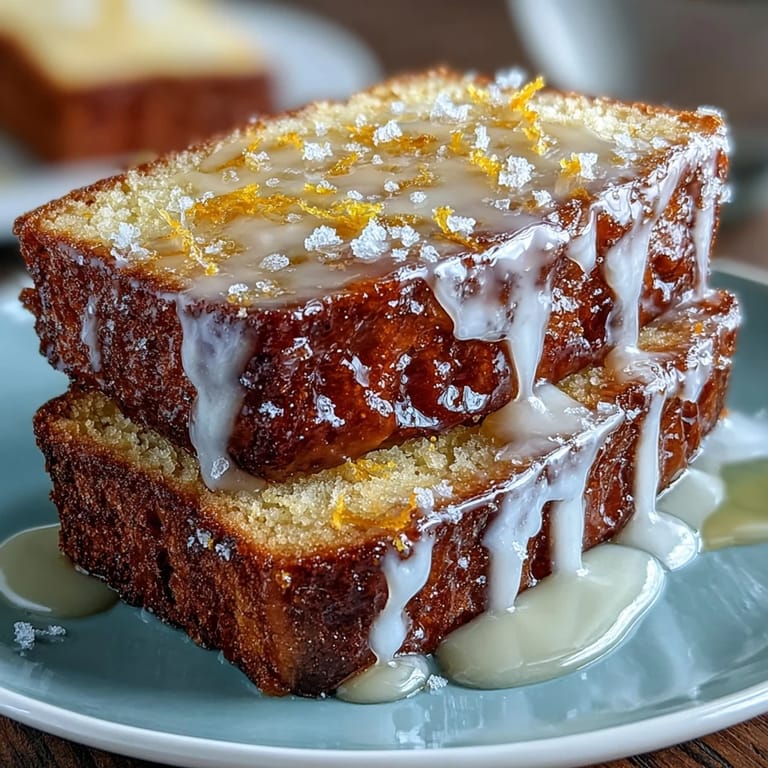
- Let the cake cool for 10 minutes in the tin, then poke all over the top with a skewer while it's still warm. Slowly pour the glaze over so it seeps into the holes and soaks down into the crumb.
- Cool completely before slicing:
- Leave it in the tin until it's completely cool, then turn out onto a rack—patience here means clean slices and a cake that holds its shape.
 Save
Save There's a moment when this cake transforms from just another recipe into something personal—usually around 3 p.m. on a Tuesday when someone bites into it and their whole face changes. That's when you realize you've made something that tastes like care and tastes like spring, no matter what the weather's doing outside.
The Lemon Zest Question
I used to wonder why people made such a fuss about grating zest instead of just squeezing juice, until I understood that zest contains all the fragrant oils that juice doesn't. The difference is almost impossible to explain until you taste it—suddenly the cake has this floral, complex lemon flavor instead of just sour. A microplane grater changed my life; it takes the yellow outer layer without the bitter white pith underneath, leaving you with pure lemon essence.
Why Warm Glaze Matters
The secret that most recipes don't tell you is that poking holes into a warm cake and then glazing it is completely different from glazing a cold one. The warm crumb absorbs the liquid like a sponge, so the glaze soaks deep inside instead of sitting on top like icing. The cake stays moist for days because of this, and every slice tastes consistent—no dry bits at the edge and sweet bits in the middle.
Variations Worth Trying
Once you've made this a few times and know how it should taste, the possibilities start opening up. I've added poppy seeds for crunch, swapped half the glaze's lemon juice for limoncello for an evening version, and even mixed in a touch of honey for a mellower sweetness. The base is flexible enough to handle small changes without falling apart, which is the mark of a truly good recipe.
- Poppy seeds add a subtle nuttiness and visual interest without changing how the cake bakes.
- Limoncello makes the glaze less acidic and adds a faint herbal depth that feels sophisticated.
- A handful of fresh berries on top when serving makes it feel like a proper dessert instead of just cake.
 Save
Save This loaf cake lives in that perfect space between casual weeknight baking and something impressive enough to bring to a gathering. Make it, and you'll understand why it became a spring tradition in my kitchen.
Recipe FAQs
- → What type of flour is best for this loaf?
Self-raising flour is ideal as it helps the loaf rise without additional leavening agents.
- → Can I substitute the lemon juice in the drizzle?
Yes, replacing half the lemon juice with limoncello adds a subtle adult twist while maintaining citrus notes.
- → How do I ensure the loaf stays moist?
Properly creaming butter and sugar, using fresh eggs, and adding milk maintains a tender, moist crumb.
- → What is the best way to add the lemon glaze?
Use a skewer to poke holes in the warm loaf and slowly drizzle the glaze to infuse flavor deeply.
- → Can I add any texture variations?
Adding a handful of poppy seeds to the batter introduces a pleasant crunch and visual interest.