 Save
Save I used to ignore those gnarly, dirt covered knobs at the market until a rainy Tuesday forced me to get creative with my pantry. Celery root looks like something from a fantasy novel, but it transforms into the silkiest soup once it hits the heat. The smell is surprisingly fresh, like a garden waking up after a storm. It turned my humble Tuesday dinner into something that felt far more elegant than my sweatpants suggested.
One evening, I invited friends over and did not tell them what was in the pot. They spent the whole first course trying to guess if it was parsnip or some exotic potato variety. We laughed until our sides ached when I pulled the ugly, hairy root out of the compost to show them. It was a lesson in not judging ingredients by their rough exteriors.
Ingredients
- Celery Root: This is the star and you want to peel it deeply to reveal the pale white flesh underneath.
- Yukon Gold Potato: These add a buttery starchiness that helps the bisque reach its signature velvety consistency.
- Leeks and Onion: Sautéing these slowly creates a sweet, aromatic base that balances the earthy tones of the root.
- Garlic: Just a couple of cloves provide a subtle punch without overpowering the delicate celery notes.
- Vegetable Broth: Use a high quality broth because the flavors will concentrate as the liquid simmers.
- Whole Milk and Heavy Cream: These final additions provide the luxurious mouthfeel that makes a bisque feel truly special.
- Bay Leaf and White Pepper: White pepper keeps the soup looking pristine while providing a gentle, warming heat.
Tired of Takeout? 🥡
Get 10 meals you can make faster than delivery arrives. Seriously.
One email. No spam. Unsubscribe anytime.
Instructions
- Softening the base:
- Melt your butter and let the leeks, onions, and garlic soften until they are translucent and fragrant. This foundation of flavor is essential for the final result.
- Sautéing the roots:
- Toss in your diced celery root and potato, letting them get a little cozy with the aromatics for a few minutes. You want them to absorb the butter without taking on any brown color.
- The long simmer:
- Pour in the broth and drop the bay leaf, then let everything bubble away until the vegetables are soft. They should be tender enough to crush easily with the back of a spoon.
- Creating the silk:
- Pull out the bay leaf before using your blender to turn the chunky mixture into a perfectly smooth liquid. An immersion blender is perfect for getting that consistent texture right in the pot.
- The final finish:
- Stir in the dairy and season carefully, heating it just enough to be piping hot without letting it boil. Boiling at this stage can ruin the delicate creaminess you have built.
- Garnish and serve:
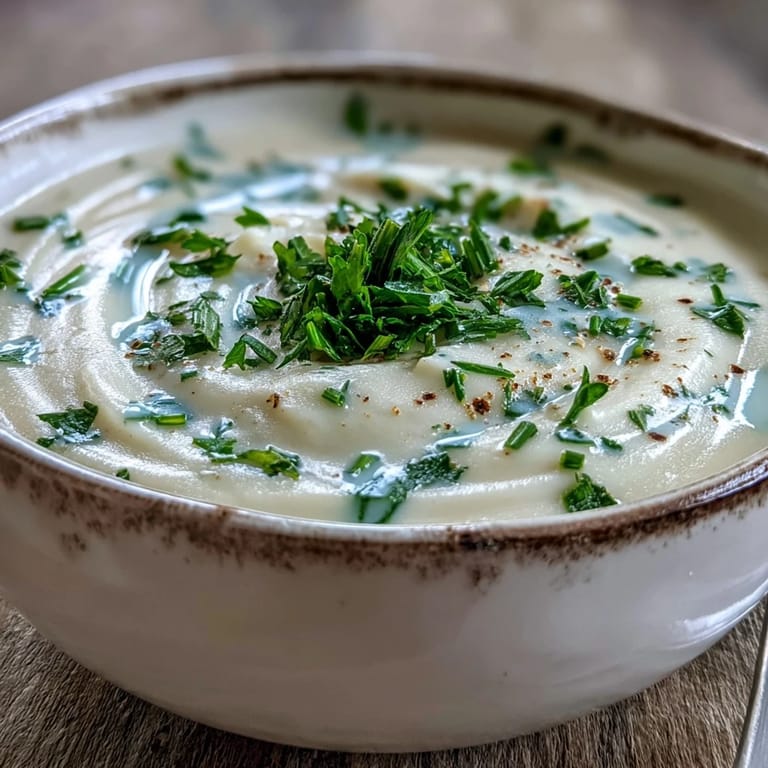
- Pour the soup into warm bowls and finish with fresh herbs and a little swirl of cream. This final touch makes the dish look as good as it tastes.
 Save
Save My grandmother once sat in my kitchen and told me that the best soups are the ones that take the longest to peel. We sat for an hour, chatting over the pile of celery root skins, and that soup tasted better than any I had ever made alone. It was a simple afternoon that turned a basic vegetable into a permanent memory.
Prepping the Gnarly Root
Getting through the tough skin of a celery root requires a sharp knife and a bit of patience. I found that cutting the top and bottom off first gives you a stable base so you can slice the peel away safely. Once you see that bright white interior, the hard work is essentially over.
Texture is Everything
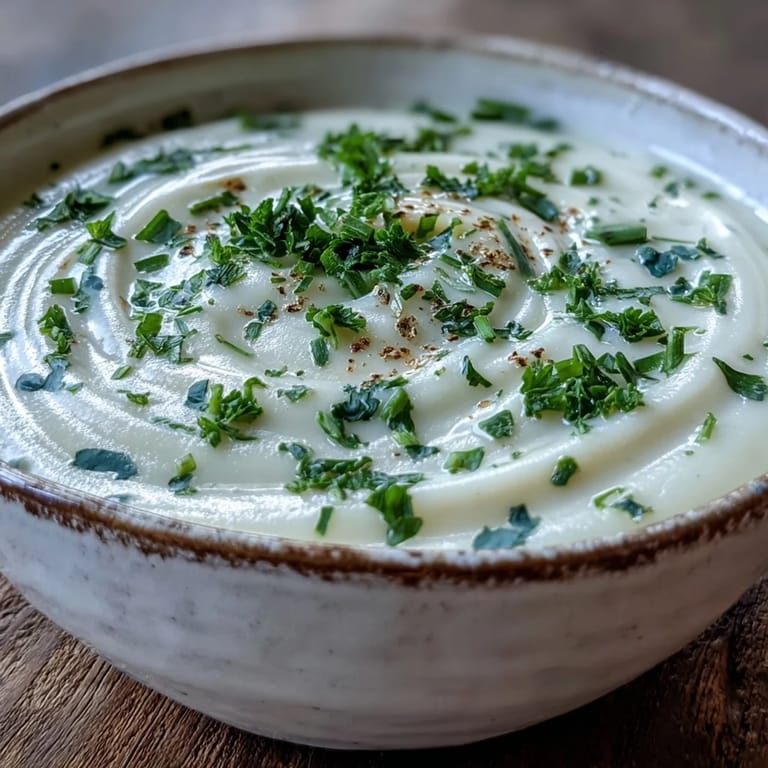
If you want that restaurant quality finish, do not be afraid to run the puréed soup through a fine mesh sieve. It takes an extra minute but removes any tiny fibrous bits that the blender might have missed. The result is a liquid that feels like pure silk on the tongue.
Serving Suggestions
This bisque is fairly light, so it benefits from a side that offers a bit of crunch or acidity. Choosing the right accompaniment can turn this starter into a full meal. Consider these additions to round out your table.
- Serve it with a side of toasted sourdough rubbed with a raw garlic clove.
- A crisp green salad with a lemon vinaigrette cuts through the richness beautifully.
- Try adding a few drops of truffle oil on top for a truly decadent experience.
 Save
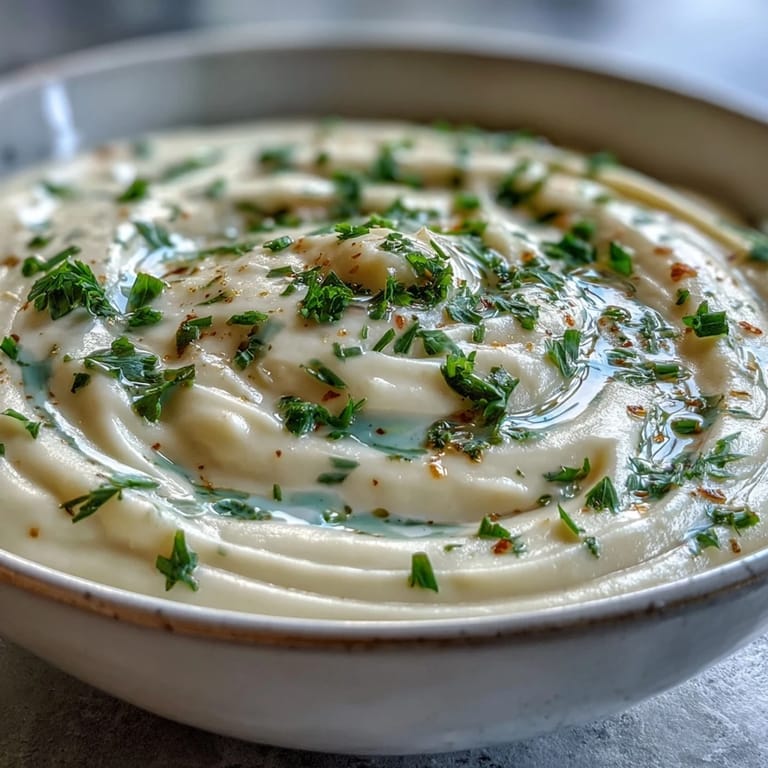
Save This bowl of warmth is my favorite way to celebrate the quiet beauty of winter vegetables. I hope it brings a touch of simple elegance to your next cozy evening at home.
Recipe FAQs
- → What does celery root taste like?
Celery root has a mild, subtle flavor reminiscent of celery with nutty, earthy undertones. It's less intense than stalk celery and becomes wonderfully creamy when cooked and puréed.
- → Can I make this bisque dairy-free?
Absolutely. Substitute butter with olive oil, use unsweetened plant-based milk instead of dairy milk, and replace heavy cream with coconut cream or cashew cream for a delicious vegan version.
- → Why add potato to celery root bisque?
Potato acts as a natural thickener and enhances the creamy texture. Its mild flavor complements celery root without overpowering the delicate, subtle taste that makes this bisque so elegant.
- → How do I achieve the smoothest texture?
Use an immersion blender directly in the pot for convenience, or purée in batches using a countertop blender. Blend until completely smooth, then strain through a fine-mesh sieve for an ultra-refined texture.
- → Can I freeze celery root bisque?
Yes, freeze the cooled bisque in airtight containers for up to 3 months. Thaw overnight in the refrigerator, then reheat gently. The texture may thin slightly; whisk in a splash of cream when reheating.